ServicesBuyer Representation
Buyer Representation in Agoura Hills
We work for you when you buy, and we read a house by what it is made of: the roof covering, the stucco, the supply pipes, the vents along the eaves. You learn what each one will cost to keep before you sign an offer, not after escrow closes.
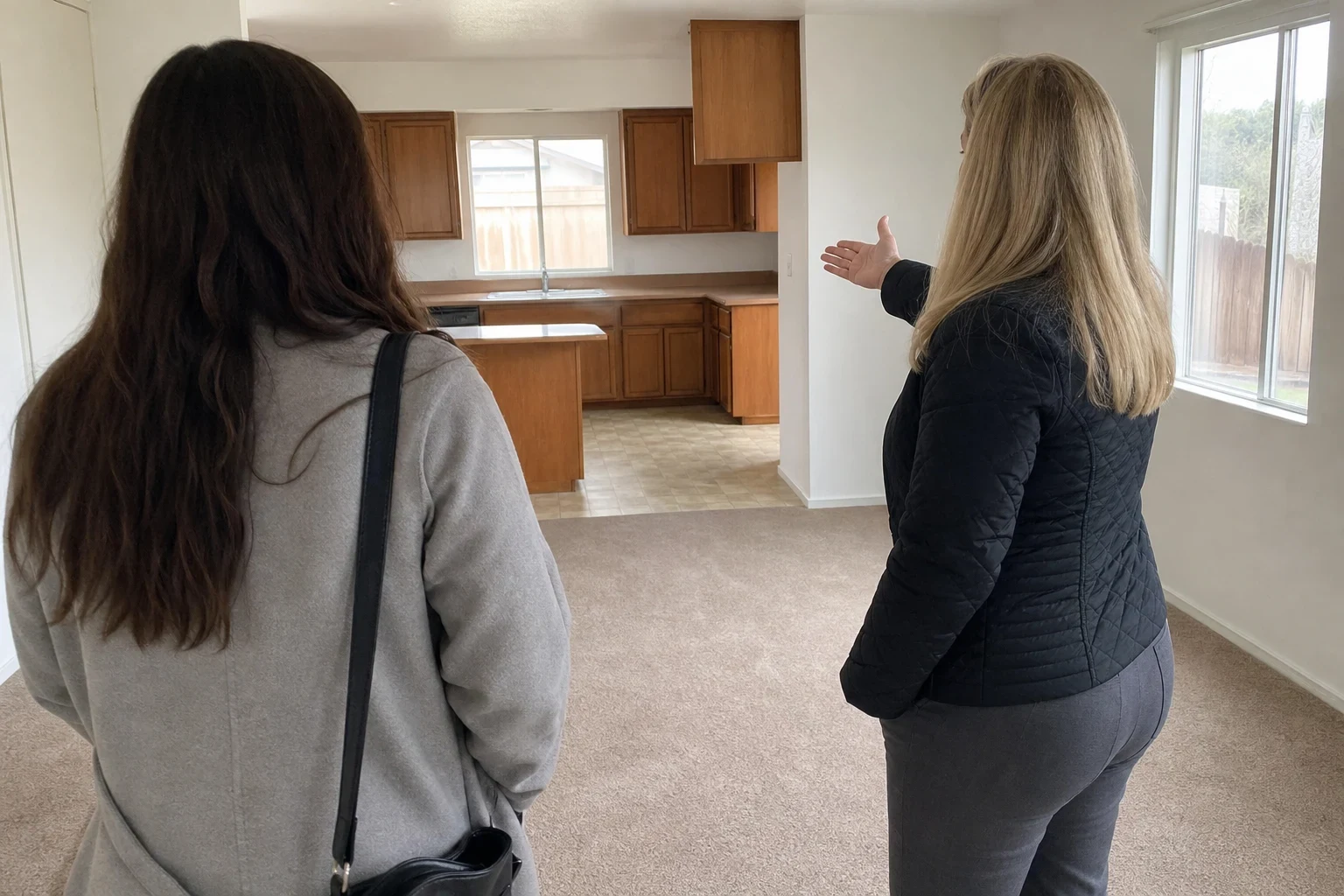
What it means to have us represent you as a buyer
As your buyer's representative, we are on your side, the purchaser's, from the first call until you hold the keys. Under current California rules, we sign a written agreement with you before touring any property, and it sets out our duties and our pay. Behind that work are 13 years as a licensed real estate broker.
Much of the housing around Agoura Hills went up between the 1960s and the 1980s, which means many original materials are close to worn out. Galvanized supply pipe, a wood shake roof or a cast iron drain beneath the slab can each change what a house is worth to you and what you spend in the early years of owning it. We call these out during tours and explain their weight, so you judge price and condition together.
The work we take on for you
- Houses screened by how they were built
- Property records and photos tell us the roof type, siding, foundation style and slope of the lot before you spend a weekend touring. A raised foundation on a hillside and a slab on level ground come with very different upkeep, and you deserve to know which one is in front of you.
- Tours focused on materials
- We tell small shrinkage cracks in stucco apart from stair-step cracks that hint at movement. With tile roofs, we look beneath the tile, since the underlayment tends to give out first. With composition shingles, we check for lost granules and edges that curl.
- Every disclosure page reviewed
- Sellers in California owe you a thick packet: the state's standard condition report, their own answers on past leaks and repairs, and a hazard report on fire, flood and earthquake zones. The total can reach dozens of pages. We read it with you and flag what deserves a follow-up question, like a fire hazard severity zone or a roof that leaked before.
- Inspections booked and attended
- We arrange the general inspection and bring in specialists when the house needs them: a sewer scope for aging clay or cast iron laterals, a roofer, a chimney inspector or a structural engineer. We are there in person so the findings get explained on the spot.
- Negotiating the offer and repairs
- We base your offer on recent comparable sales and on what the aging parts will really cost. Once inspections are in, we either ask for repairs or ask for a credit, whichever works better for you.
- Keeping escrow on track
- We watch the contingency deadlines, the appraisal and the loan approval. We also urge you to collect insurance quotes early, because placing coverage in wildfire-exposed areas can take a while.
Signs you should have someone on your side
The houses on your list are decades apart
A 1972 ranch and a 2005 two-story are not priced on the same terms. Original copper or galvanized pipe, single-pane aluminum windows and older electrical panels all shift the math.
The disclosure packet is thick
Long disclosures often mean past repairs, permits or hazards worth a closer read. You want someone who knows which pages matter.
Insurance quotes come back high or declined
That usually points to roof material, brush clearance or vent openings. We help you see what the insurer is reacting to and whether it can be fixed.
You need to sell before you buy
We also handle the sale side through our Seller's Agent service. Our Guarantee cash offer program can help when timing between the two is tight.
You are buying from a distance
We work from our office and by phone and video. Video walk-throughs let us show you the eaves, the water heater and the crawlspace access in real time.
What shapes the cost of buying
Our compensation is set in the written agreement you sign before we tour anything, and it is negotiable. Sometimes a seller agrees to cover some or all of it in the purchase contract, and sometimes it comes from you. Separate from our fee, the house itself drives several costs during escrow.
Terms in your agreement
The agreement states how we are paid and for how long it runs. We go over it on the phone before you sign.
Seller concessions
A seller may contribute toward our compensation or your closing costs. How much depends on the market and on what inspections turn up.
Inspections the house calls for
A newer house may need only a general inspection. An older one on a slope may also warrant a sewer scope, a roof inspection and an engineer's report, each billed separately.
Insurance and fire-zone work
Roof class, ember-resistant vents and brush clearance affect your premium and sometimes whether a carrier will write the policy at all.
Loan and escrow charges
Lender fees, title insurance and escrow fees vary with the loan type and purchase price. We help you read the estimates as they arrive.
How a purchase runs with us
- 1
A phone conversation
We talk through budget, timing, the towns you are open to and the materials you would rather avoid. Some buyers rule out shake roofs or hillside lots right away.
- 2
Agreement and search setup
We sign the written representation agreement and set up a search that reflects how you want to live and what you are willing to maintain.
- 3
Touring and narrowing
We walk properties in person or on video, noting roof, siding, plumbing and drainage. You get our honest read, including when a house is not worth chasing.
- 4
Offer and contingency period
We write the offer and manage inspections inside the contingency window, which under the standard California form defaults to 17 days unless you agree otherwise. Repair requests or credits are negotiated here.
- 5
Final walk-through and closing
Before closing we check that agreed repairs were done and that nothing changed since inspection. Then escrow records and you get the keys.
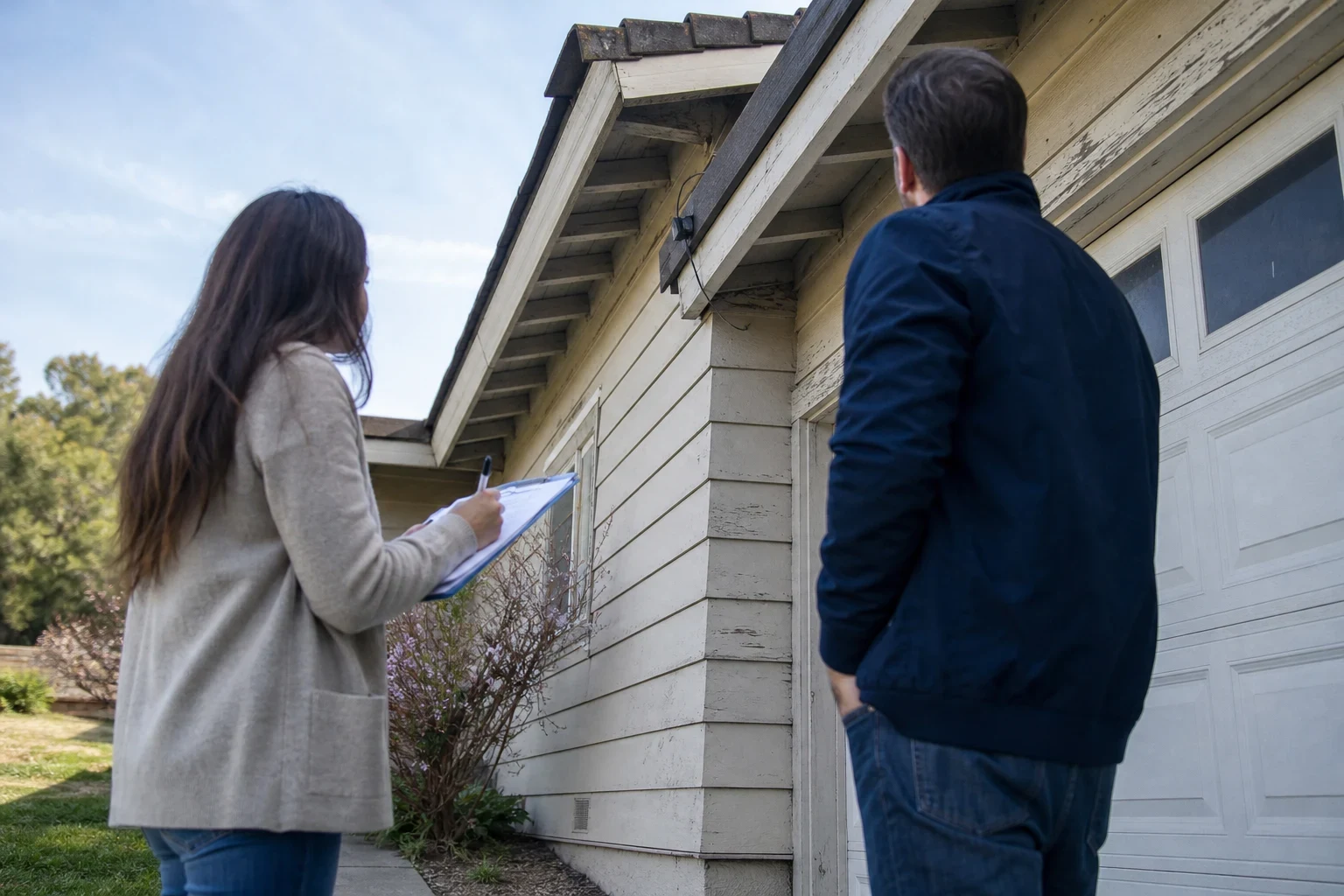
What buyers want to know
Is there an agreement to sign before touring homes?
Yes. Under current California practice, an agent needs a written agreement with a buyer before touring a property together. It lays out what we do and how we are paid, and we go over each term with you first.
Where does your pay come from?
The agreement sets it, and it may be paid by you, by the seller or split between you. We frequently ask the seller to chip in as part of the offer. The arrangement is settled before we begin.
What materials in an older house deserve a closer look?
Galvanized steel supply lines rust from within and choke water flow. Cast iron drains under a slab crack and build up scale. Wood shake roofs worry insurers in fire-exposed areas, and a tile roof can need fresh underlayment even when the tiles look sound.
I am relocating from out of state. Can you still help?
Yes. We work by phone and video, tour houses on camera and handle inspections you cannot be at. Plenty of buyers visit a house in person just once before closing.
Will you say so if a house is a bad buy?
Yes. When the roof, foundation or plumbing would cost more than the price leaves room for, we tell you directly. Steering you away from the wrong house is part of what we do.
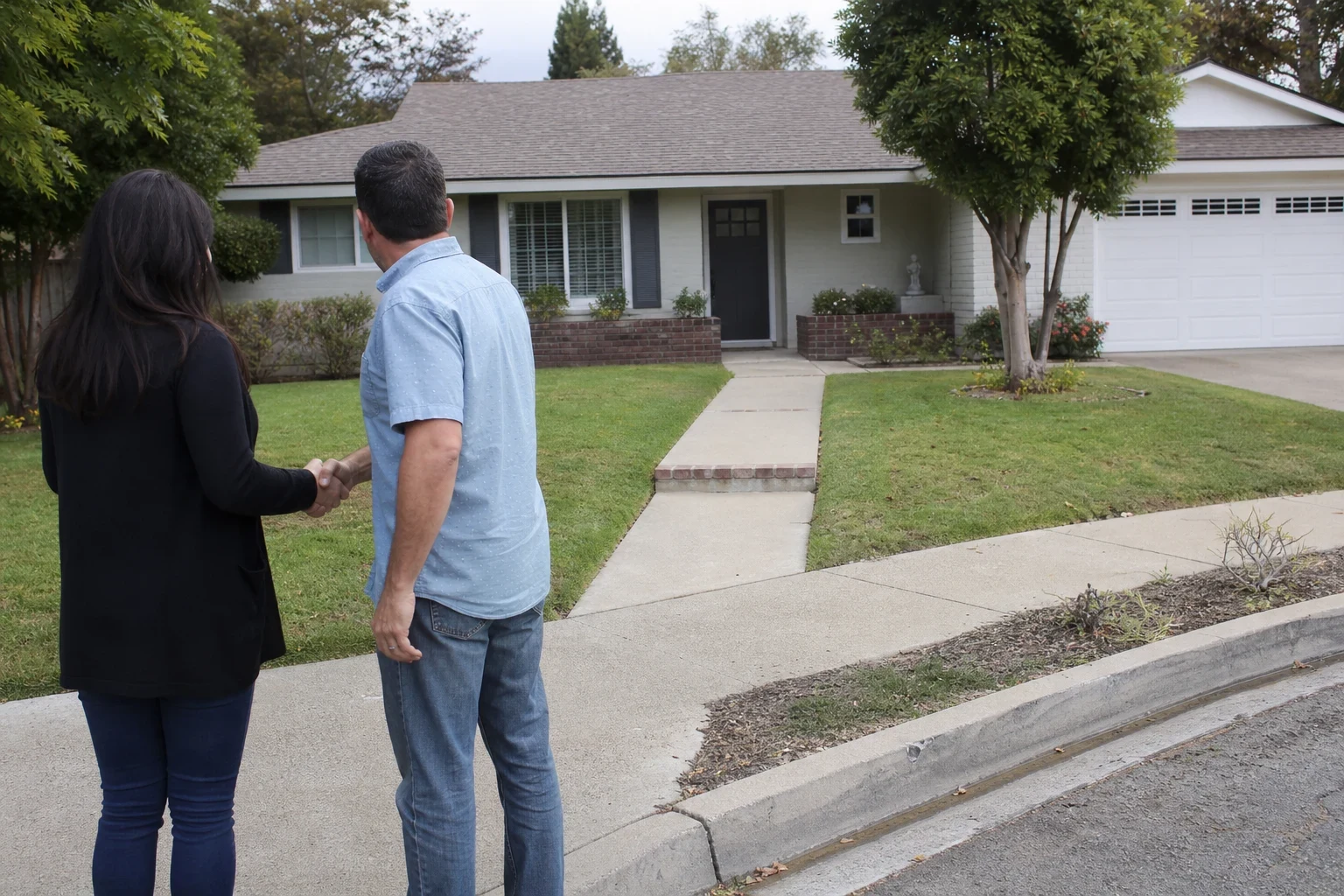
Start with a clear read on the house
Tell us what you are looking for and what you would rather not maintain. We will explain how the purchase works and what to watch for in the houses you are considering.